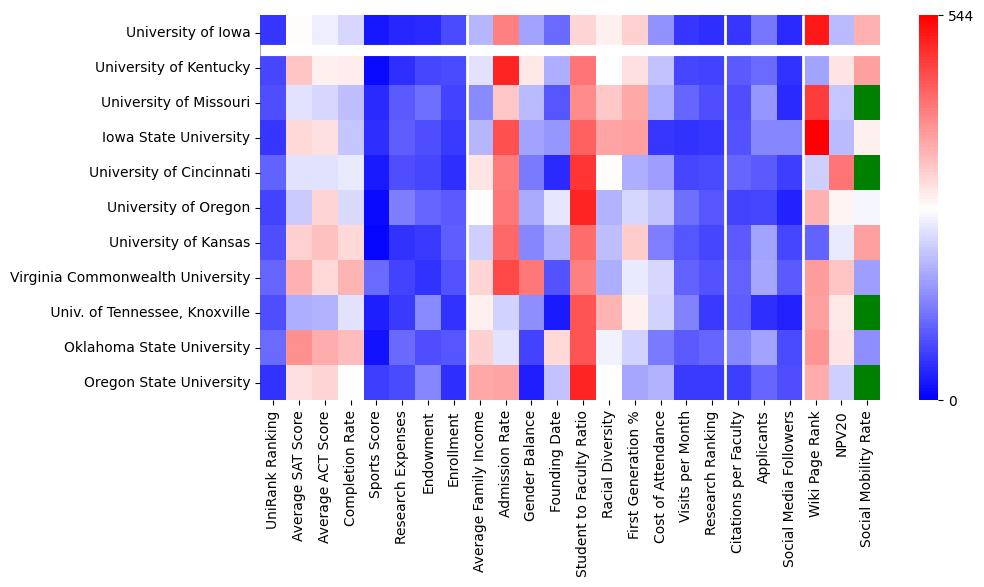
The University of Iowa, established in 1847, is a public research institution located in Iowa City, Iowa. As the state's first public institution of higher learning, it has a long-standing tradition of academic excellence and a commitment to innovation. The campus reflects a blend of historic and modern architecture, nestled in a vibrant college town that offers a mix of cultural and outdoor activities. With a student population of over 30,000, the University of Iowa is known for its diverse and inclusive community, drawing students from all 50 states and over 100 countries.
One of the unique aspects of the University of Iowa is its renowned Iowa Writers' Workshop, the first creative writing degree program in the United States, which has produced numerous Pulitzer Prize winners and U.S. Poets Laureate. The university is also home to a comprehensive medical center, including the highly ranked University of Iowa Hospitals and Clinics, which is a leader in patient care and medical research. The university's emphasis on research is further highlighted by its membership in the Association of American Universities, a prestigious group of 65 leading research institutions in North America.
Academically, the University of Iowa offers a robust selection of programs across its 11 colleges, with particularly strong offerings in health sciences, law, and engineering. The Tippie College of Business is known for its rigorous undergraduate and MBA programs, while the Carver College of Medicine is recognized for its research output and innovative medical training. Additionally, the College of Law is highly regarded, consistently ranking among the top public law schools in the country. The university supports interdisciplinary learning and encourages collaboration across different fields of study.
Despite its many strengths, the University of Iowa faces some challenges. The campus has experienced infrastructure strain, with some facilities in need of modernization to accommodate the growing student body and evolving technological demands. Additionally, while the university has made strides in increasing diversity, it continues to work on improving the representation and support of minority groups within its student and faculty populations. Financial challenges, including state funding fluctuations, have also impacted tuition rates and the availability of financial aid, posing concerns for affordability and accessibility for some students.